
A hidden leak rarely announces itself. Here are 10 signs to watch for, plus a five-minute test you can run today.
Most water damage claims we handle didn't start as a flood. They started as a leak nobody noticed — a slow drip inside a wall, a slab leak seeping under a floor, a supply line weeping behind a cabinet — running quietly for weeks or months before it became obvious. Hidden leaks are the expensive ones precisely because they're hidden. By the time you can see it, you're usually looking at weeks of damage you can't see yet. Here are the ten signs worth taking seriously, plus the fastest way to confirm a leak exists before you start opening walls.
Start With the Water Meter Test
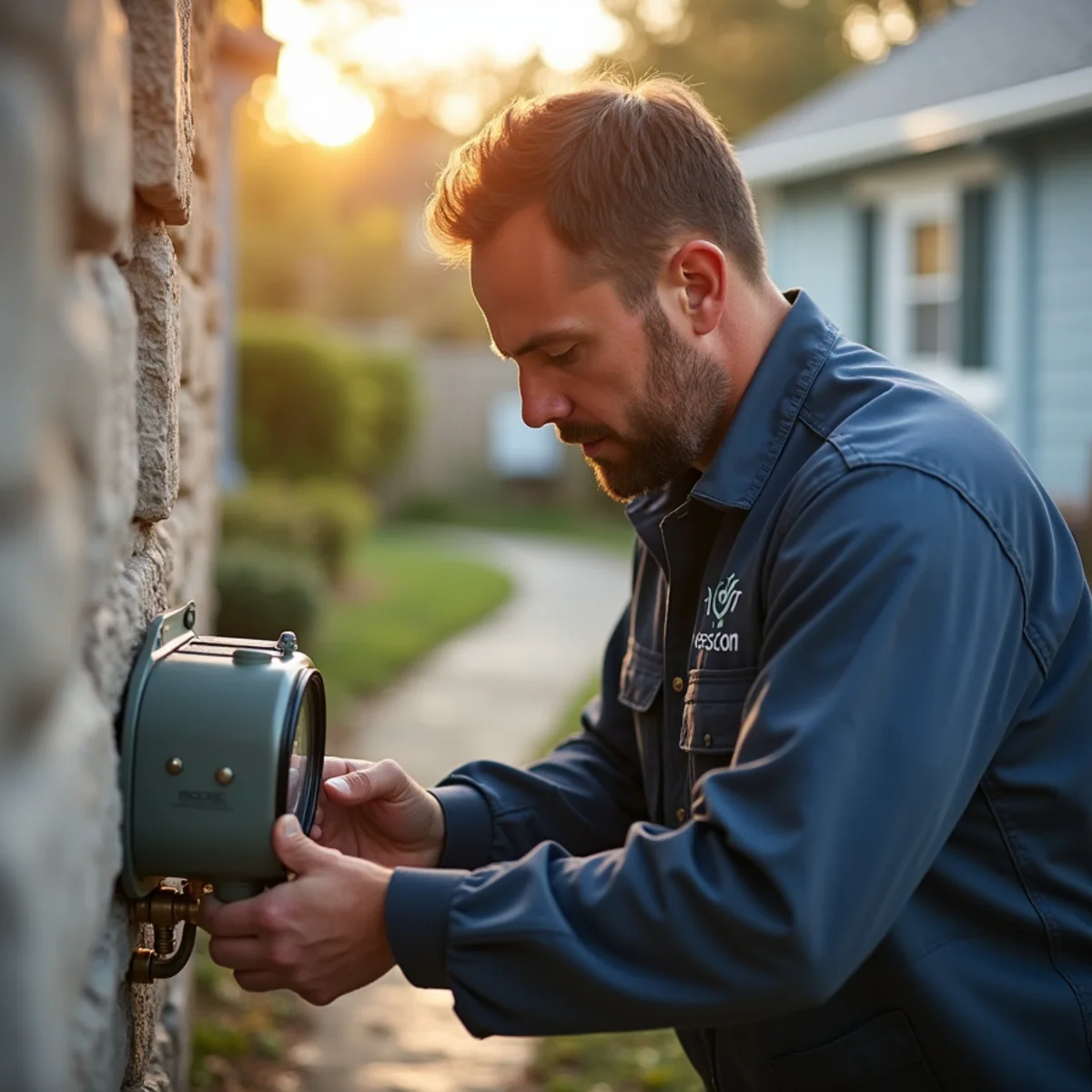
Before you go looking room by room, do this five-minute test: turn off every faucet, appliance, and irrigation valve in the house, then find your water meter and note the reading — or watch the small leak indicator dial, if your meter has one. Wait 20 to 30 minutes without using any water, then check again. If the number moved or the dial spun, water is flowing somewhere in your system even though nothing is turned on. Do this test twice if you can — once in the evening after the house has settled, and again first thing in the morning, since some slow leaks are easier to catch after water use has been at zero for hours rather than minutes.
10 Warning Signs of a Hidden Leak
1. A Water Bill That Doesn't Match Your Usage
If your bill jumps 20% or more with no change in your routine — no new appliance, no extra houseguests, no obvious explanation — a hidden leak is one of the most common causes. Compare a few months of bills side by side rather than judging off one unusual month.
2. The Meter Keeps Moving With Everything Off
This is the most reliable sign on this list, because it's not a guess — it's a direct measurement. If the meter test above shows movement, you have a leak somewhere in the system, even if you haven't found visible evidence yet.
3. A Musty Smell With No Visible Source
A persistent musty or earthy odor, especially inside a closet or near a baseboard, usually means moisture has been sitting somewhere long enough to start growing mold. See our full guide to signs of hidden mold behind walls for what else to check.
4. Stains on Ceilings, Walls, or Baseboards
Yellow, brown, or copper-toned stains — especially ones with a ring pattern — point to water that's been slowly soaking a material over time rather than a one-time splash.
5. A Warm Spot on the Floor
A patch of flooring that's noticeably warmer than the rest of the room, especially over a slab foundation, often means a hot water line is leaking beneath it. This is one of the clearest signs of a slab leak and deserves a same-week inspection.
6. Peeling Paint or Bubbling Wallpaper
Moisture trapped behind paint or wallpaper pushes it away from the wall as it evaporates, creating bubbles, bumps, or flaking with no obvious cause like humidity or age.
7. Sounds of Running Water With Everything Off
A faint hissing, trickling, or dripping sound inside a wall, ceiling, or floor when every fixture in the house is off is worth investigating immediately — it usually means water is actively escaping somewhere in the system.
8. Mold or Mildew in an Unexpected Spot
Mold on a bathroom ceiling near an exhaust fan is common and usually not alarming. Mold on an interior closet wall, inside a kitchen cabinet, or on a bedroom ceiling with no nearby plumbing is a signal that water is traveling from somewhere else.
9. Warped, Cupped, or Buckling Flooring
Hardwood that's cupping at the seams or laminate that's lifting near an edge has absorbed more moisture than normal humidity would cause — usually from below, which points to a slab or subfloor leak.
10. Lower Water Pressure at One or Two Fixtures
If pressure drops noticeably at one sink or shower while the rest of the house is normal, a leak upstream in that line may be diverting water before it reaches the fixture.
Why Hidden Leaks Get Expensive Fast
A leak that's caught in week one is a repair. The same leak left running for two or three months is often a repair plus new drywall, new flooring, and a mold remediation bill on top of it. Water doesn't pool neatly in one spot — it wicks sideways through drywall paper, tracks along framing, and settles into subfloor, so the visible damage is almost always smaller than the actual affected area. That's part of why insurance adjusters ask so many questions about how long a leak has been running: duration is one of the biggest factors in both the damage and the claim.
When to Call for Professional Leak Detection
A DIY meter test tells you a leak exists. It doesn't tell you where. Our leak detection team uses acoustic listening equipment, thermal imaging, and pressure testing to pinpoint the source without guesswork — which means any repair starts in the right spot instead of an exploratory hole in the wrong wall.
Neighborhoods Where We See This Pattern Often
Hidden leaks aren't limited to any one part of South Orange County, but we see a disproportionate share of calls from Aliso Viejo and Lake Forest's Whispering Hills — both home to housing stock old enough for original plumbing to be reaching the end of its service life. If you live in either area and any of the signs above sound familiar, it's worth getting ahead of it.
Smart Water Sensors: An Easy Early-Warning Layer
Battery-powered water sensors placed near water heaters, under sinks, and behind washing machines cost very little and can alert your phone the moment they detect moisture — often catching a leak long before any of the ten signs above become obvious. They're not a substitute for periodic leak detection on your actual plumbing lines, but they're one of the simplest upgrades a homeowner can make after dealing with even one hidden leak.
A hidden leak only gets more expensive the longer it runs. If the meter test came back positive or you're seeing any of these ten signs, call Water Damage Lake Forest at (201) 277-9344 for a free inspection — we'll find it, confirm it, and if there's already damage, dry it out before it turns into a bigger problem.
Frequently Asked Questions
What if the water meter test shows a leak but I can't find anything wrong?
How much water can a small hidden leak actually waste?
Can a hidden leak cause mold even if I never see standing water?
Serving your area: We provide 24/7 water damage restoration in Aliso Viejo, Whispering Hills and across South Orange County.