
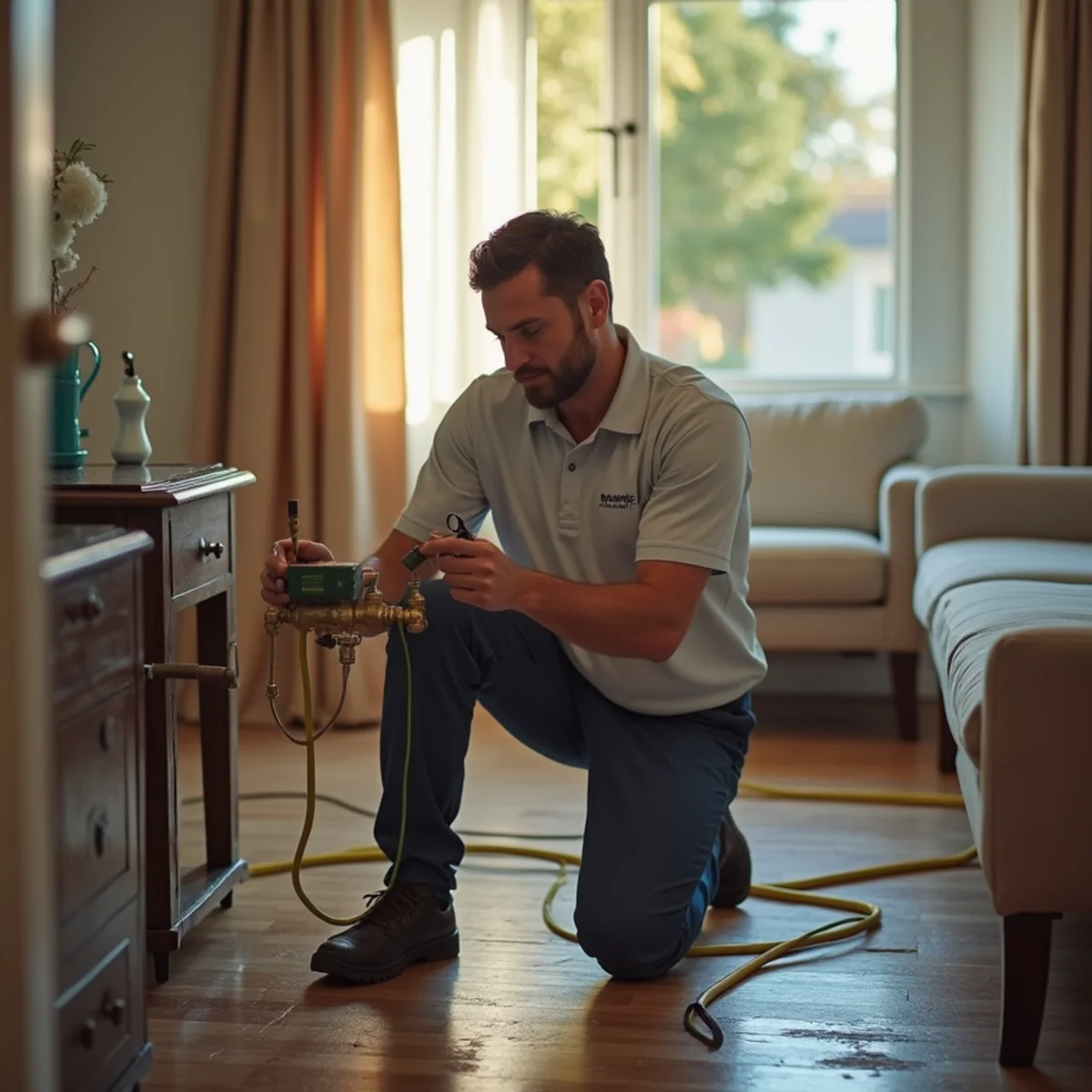
The first 15 minutes after a pipe bursts decide how much of your home you'll be rebuilding. Here's exactly what to do, step by step.
A burst pipe can release hundreds of gallons an hour, and it never picks a convenient time — 2 a.m., while you're at work, the week you're out of town. A half-inch supply line under normal household pressure can put more water on your floor in ten minutes than a dishwasher uses in a month, and it doesn't stop until the source is shut down. What you do in the first 15 minutes decides how much of your home ends up needing repair. Here are the seven steps that matter most, in order.
1. Shut Off the Main Water Valve
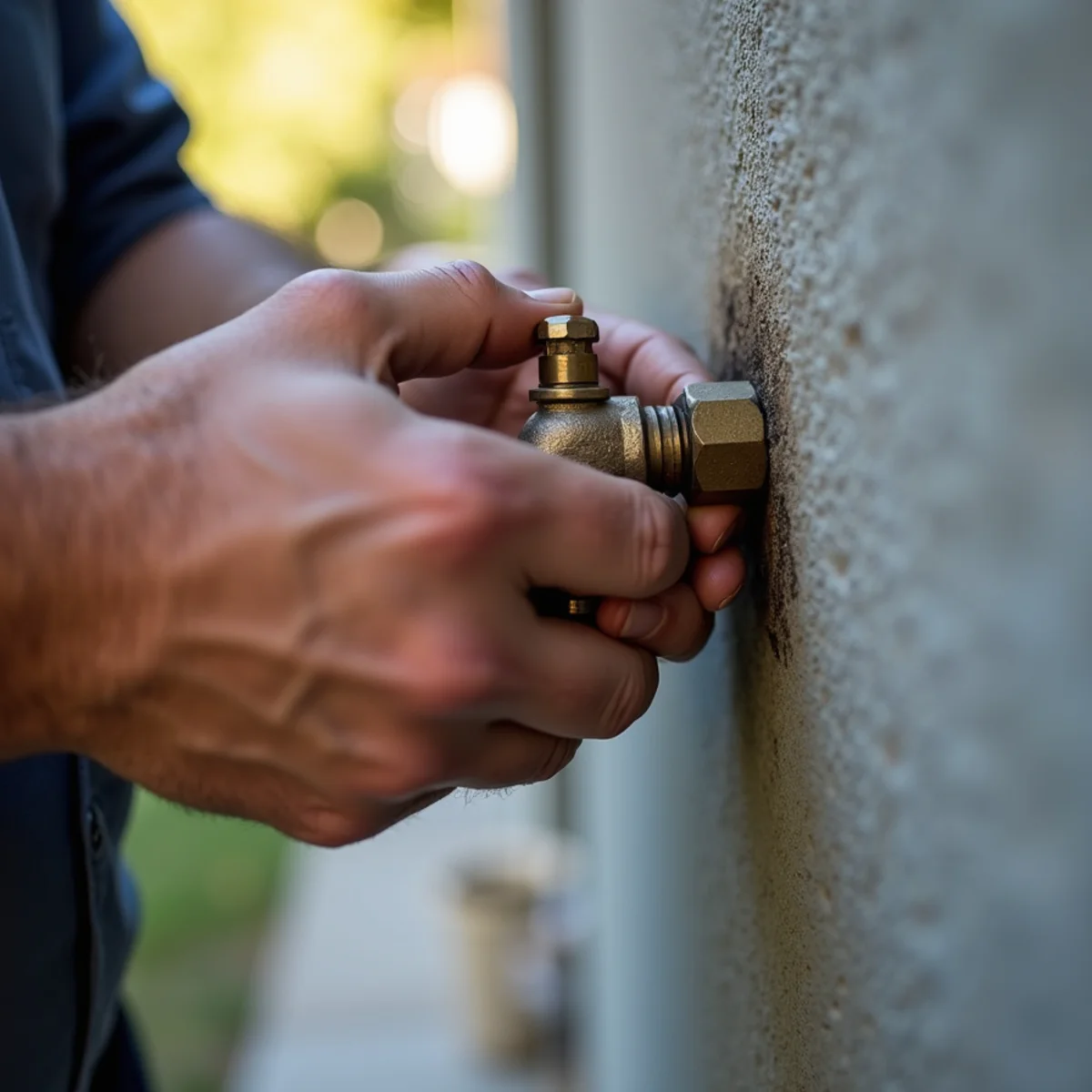
This comes before everything else. Stopping the source is the only way to stop the damage from growing while you handle the rest of the list. If you're not sure where yours is, our guide on how to shut off your main water valve covers the common locations for South Orange County tract homes.
2. Cut Power to the Affected Area, If It's Safe
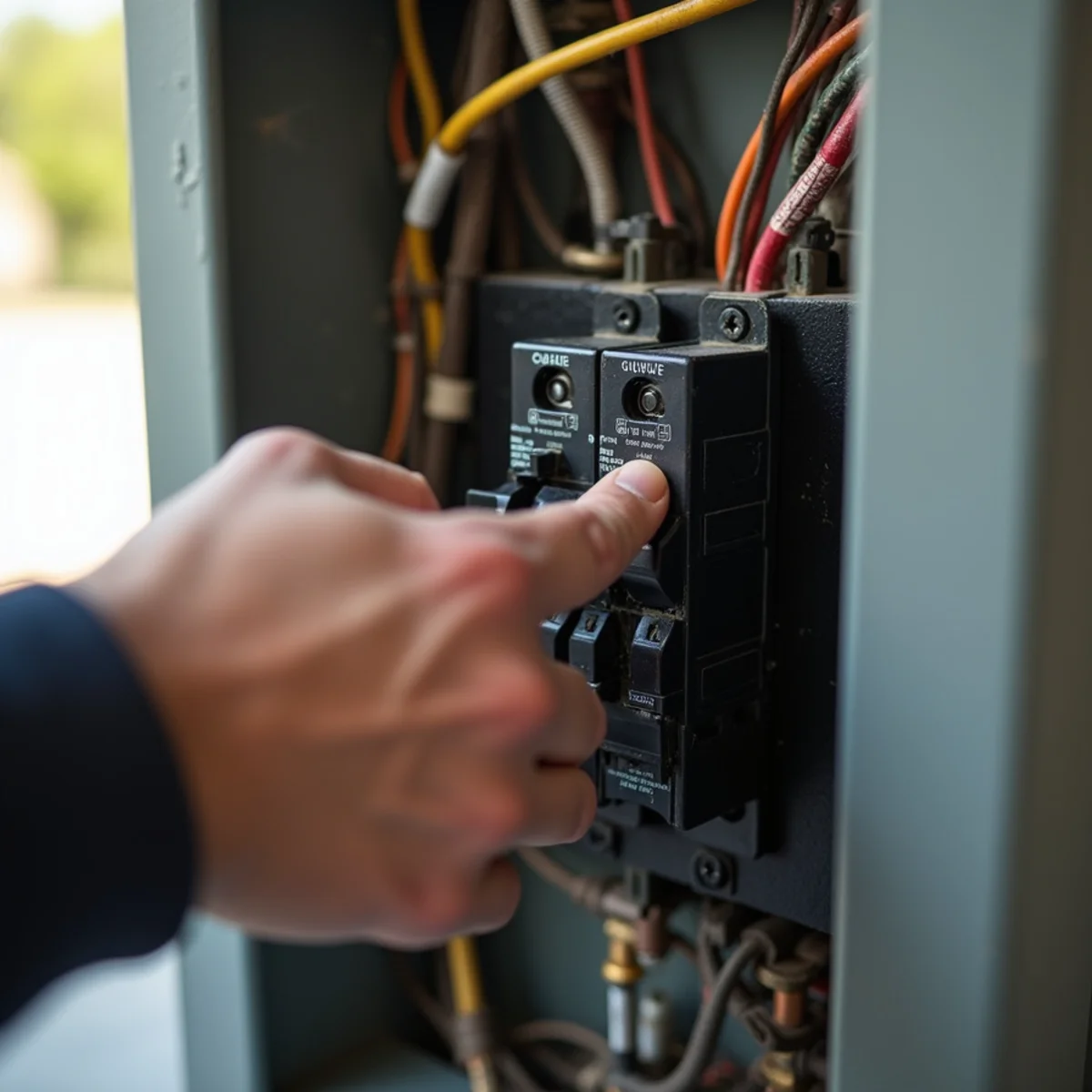
Water and electricity don't mix. If the flooding is anywhere near outlets, appliances, or your electrical panel, and you can reach the breaker without stepping through standing water, cut power to that circuit. If reaching the breaker means walking through water, don't — wait for a professional instead.
3. Move Valuables and Furniture Out of the Water

Get electronics, documents, rugs, and anything irreplaceable up and out of the flood path. For furniture too heavy to move, prop the legs up on foil or wood blocks to keep them from staining or wicking water upward. Wood furniture left standing directly in water can swell and warp within hours, and dye from unsealed rugs can transfer permanently onto hardwood or light-colored tile if it sits too long.
4. Document the Damage Before You Clean Anything Up
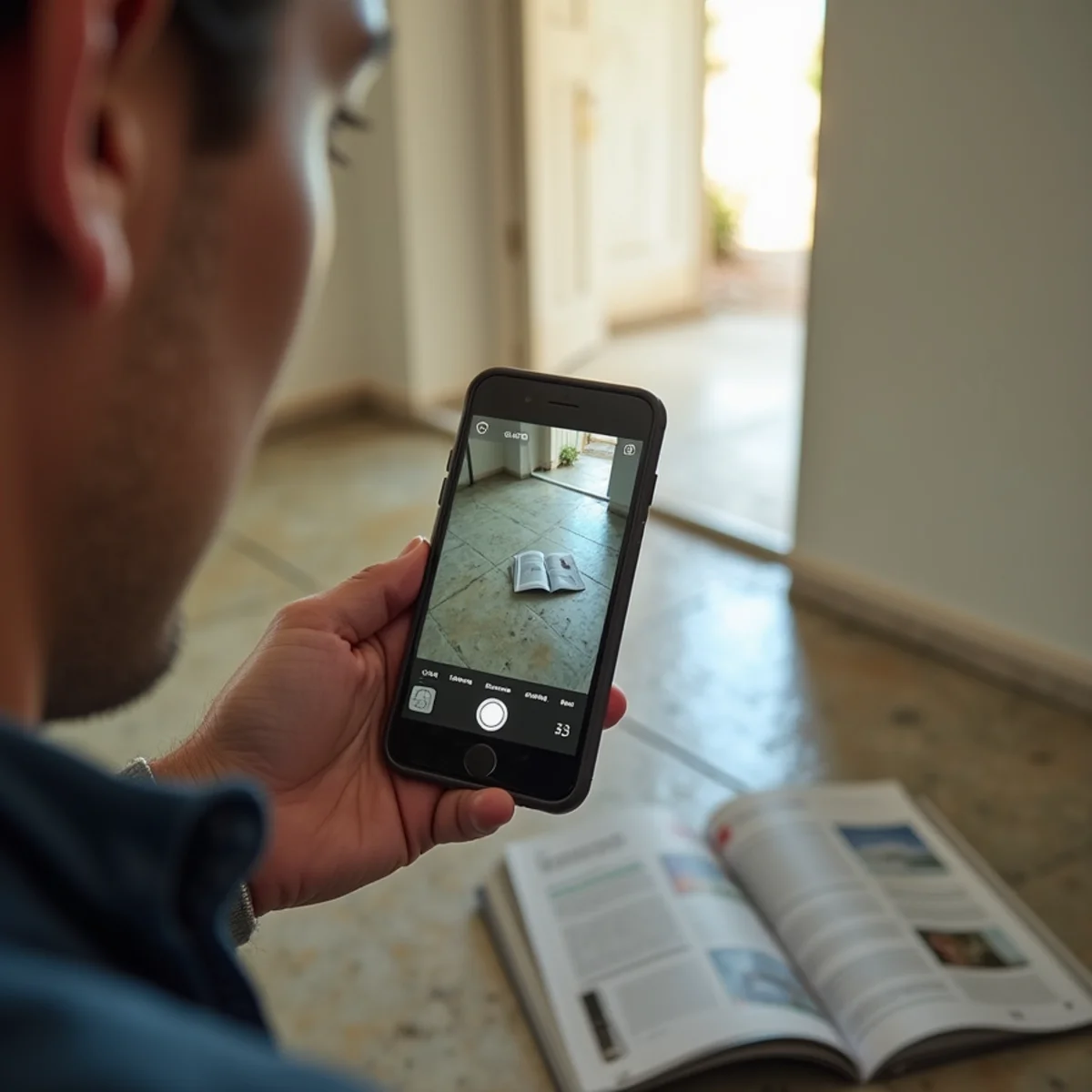
Once the immediate danger is handled, take photos and video before you touch anything else. This becomes the backbone of your insurance claim.
- Photos of the pipe or fitting that failed, if visible
- Wide shots of every room the water reached
- Close-ups of water lines on walls and baseboards
- Video of standing water depth and how far it traveled
- A running list of damaged items as you notice them
5. Contain What You Can — Towels, Buckets, Tarps
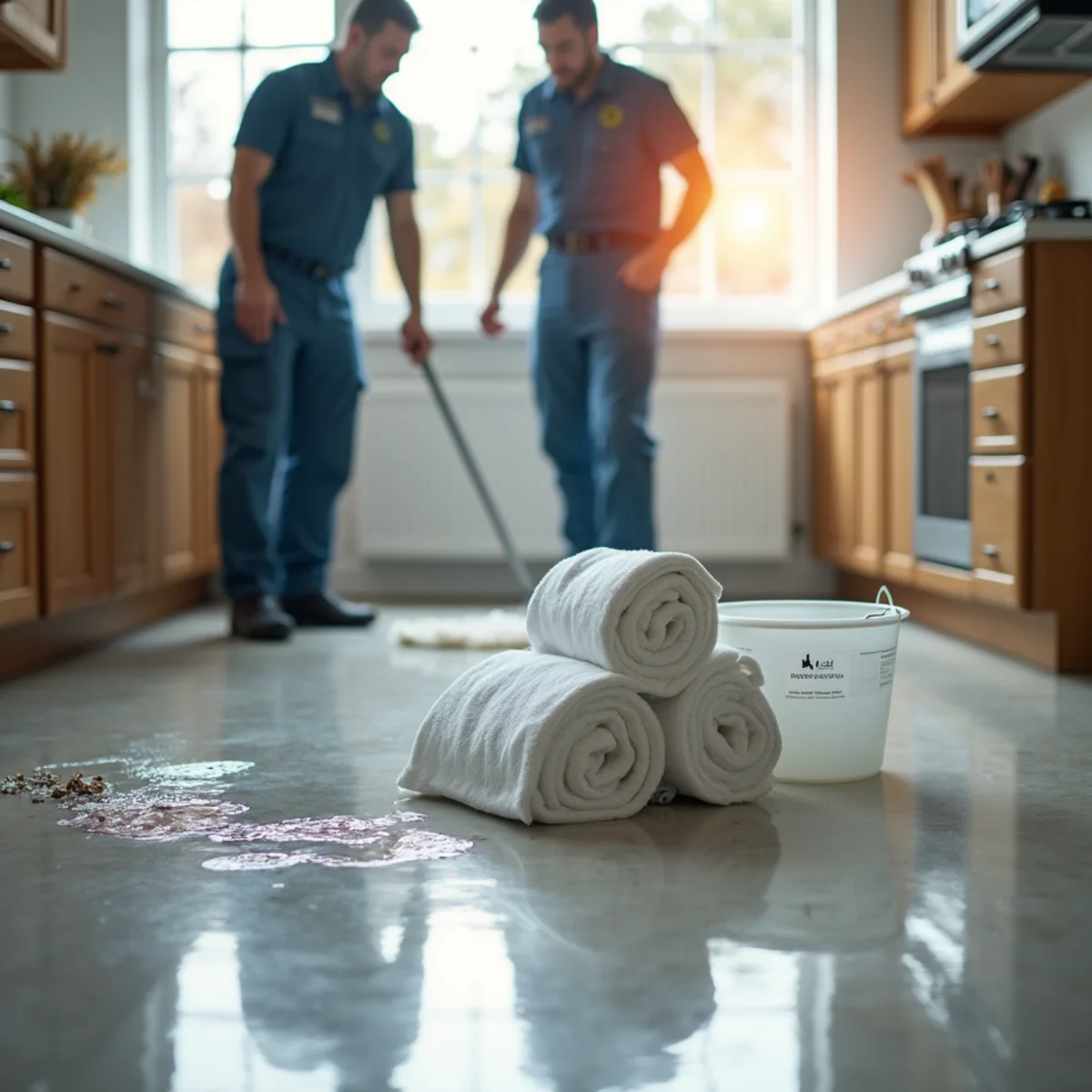
While you wait, towels and buckets can slow water from reaching an unaffected room, and a tarp under a leaking ceiling can catch drips before they spread further. This isn't a fix — it just buys time until professional extraction starts. If water is heading toward a stairway or a lower-level room, laying towels along the path can buy you a few extra minutes before it reaches finished flooring below.
6. Call a Water Damage Restoration Company Immediately
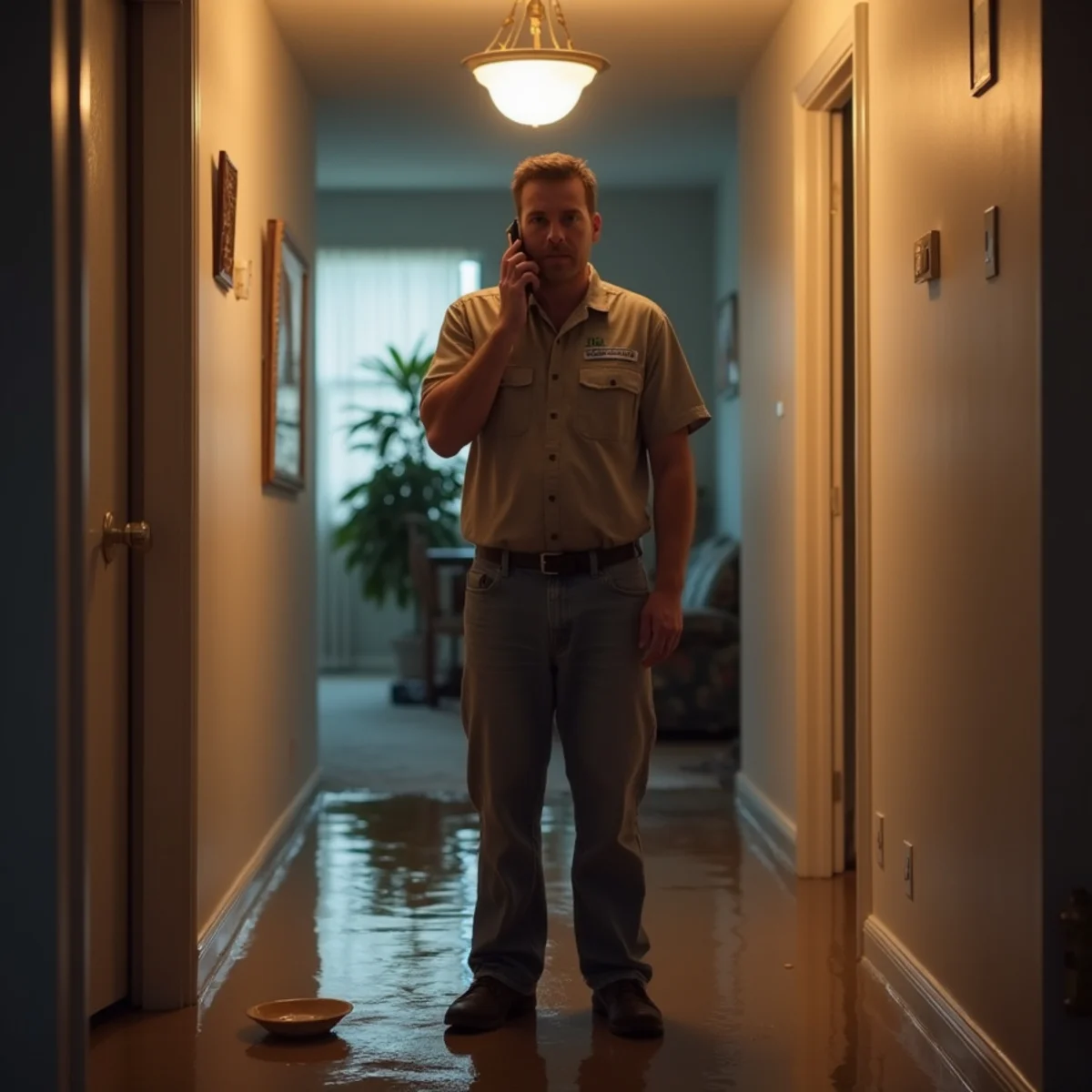
This is the step that actually stops the clock. Our burst pipe cleanup crews answer 24/7 and average a 60-minute arrival anywhere in Lake Forest with truck-mounted extraction equipment ready to go. The sooner extraction starts, the less water gets absorbed into flooring, drywall, and cabinetry — and the lower your total damage. Our broader emergency water damage team can also flag right away whether you need a plumber for the repair itself.
7. Start the Insurance Claim — After Mitigation Is Underway

Sudden, accidental pipe bursts are typically covered by homeowners insurance, though every policy reads a little differently — see our guide on does homeowners insurance cover water damage in California for the details. We handle direct billing and produce adjuster-ready documentation through our insurance claims assistance, so you're not stuck translating restoration terms yourself.
What Not to Do While You Wait
- Don't use a household vacuum on standing water — it isn't rated for it
- Don't run a fan directly on saturated drywall before a pro assesses it
- Don't ignore a bulging or sagging ceiling — that's a structural warning, not a cosmetic one
- Don't wait to see if it dries on its own — the mold clock starts within 24 to 48 hours
If the ceiling is sagging, leave the room
A bulging ceiling means water has pooled above it and the drywall is holding weight it wasn't built for. Get out, keep others out, and let our crew handle it safely.
Why the First 15 Minutes Matter More Than the Next 15 Days
Water damage compounds. A pipe that's contained and extracted within the first hour usually means a few days of drying equipment and a straightforward insurance claim. The same pipe left running for a few hours can mean cutting out drywall, pulling flooring, and a remediation timeline measured in weeks instead of days. The steps above aren't about being thorough for its own sake — each one is aimed at buying back time before the damage becomes structural.
A burst pipe feels chaotic in the moment, but the sequence above is the same one our crews walk homeowners through every day. If a pipe just failed in your home, call us now at (201) 277-9344 — we'll get you through the next steps on the phone while help is already on the way.
Frequently Asked Questions
What should I do first when a pipe bursts?
Will insurance cover a burst pipe?
How fast can you get here?
Serving your area: We provide 24/7 water damage restoration in Irvine, Sycamore Creek and across South Orange County.