
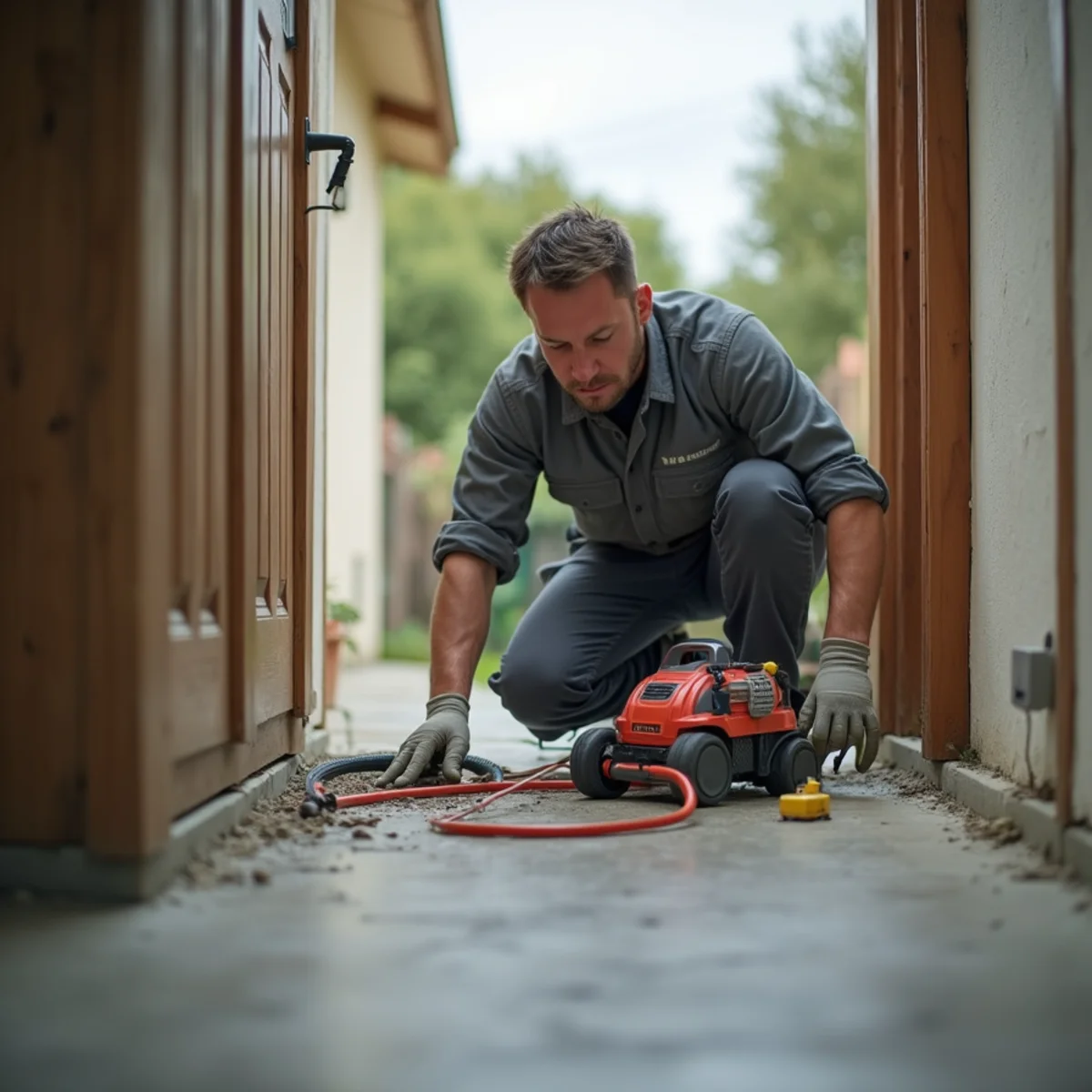
Slab leaks are Orange County's signature plumbing problem, and insurance coverage for them isn't all-or-nothing. Here's how access, repair, and resulting damage are treated differently.
Slab leaks are practically a signature problem here. Expansive clay soil shifts under the slab, copper plumbing from the 1980s and 90s ages, and the result is a category of water damage that's more common in South Orange County than almost anywhere else in the state. So when a slab leak hits, the first question after "how bad is it" is almost always "will insurance pay for this?"
The Short Answer: It's Split Into Three Parts
Insurance doesn't treat a slab leak as one single event. It's typically broken into three pieces, each handled differently: getting access to the leak, repairing the pipe itself, and cleaning up the resulting water damage. Understanding this split is the key to knowing what to expect from your claim.
1. Access: Getting to the Leak
Many policies cover the cost of cutting into flooring and breaking through concrete to reach the leak, since it's a necessary step to address a covered loss. Coverage details vary by carrier and policy, and some have specific sub-limits for this kind of access work, so it's worth reading your policy language carefully or having us walk through it with you. Our slab leak emergency team coordinates this step directly with your adjuster.
2. The Pipe Repair Itself
This is usually the part homeowners are surprised by. The physical repair or re-route of the failed pipe typically falls under a standard exclusion for wear and tear, corrosion, or mechanical breakdown — meaning most policies don't cover the plumbing repair itself. Some carriers offer specific endorsements that change this, so it's worth asking your agent directly rather than assuming either way.
3. Resulting Water Damage: Usually Covered
The drying, drywall repair, flooring replacement, and structural work caused by the leak is generally treated as a sudden and accidental discharge of water, and covered subject to your deductible. This is where the bulk of restoration cost typically falls, and it's where our slab leak water damage and structural drying teams do most of their work.
Why the Sudden-vs-Gradual Question Gets Messy With Slab Leaks
Unlike a burst pipe with an obvious moment of failure, a slab leak often starts as a slow pinhole corrosion leak that grows over time. That timeline is exactly what adjusters scrutinize, since a leak that existed for months before discovery can be argued as gradual — and therefore excluded. This is especially relevant in 1980s and 90s copper-plumbed tracts, where pinhole corrosion is common; see our pinhole leak repair page and our post on pinhole leaks in South OC tract homes for more on why this happens locally.
Documentation is what actually resolves this gray area. A dated leak detection report and moisture readings from the day the leak was discovered establish a clear discovery date — which is the standard many policies actually use, rather than trying to pinpoint exactly when the pipe first began to fail.
Tear-Out Coverage: What Usually Gets Included
- Cutting and removing flooring directly above the leak — tile, hardwood, or carpet
- Breaking and re-pouring the concrete slab access point
- Drying the subfloor, framing, and any drywall the water reached
- Repainting and refinishing affected surfaces
- Matching flooring in adjacent rooms, if your policy includes matching-materials coverage — worth confirming specifically
What to Do the Moment You Suspect a Slab Leak
Watch for a warm spot on your flooring, a rising water bill with no obvious cause, or the sound of running water when every fixture is off. Call for leak detection before any tear-out begins — this pinpoints the exact location, limits unnecessary demolition, and creates the dated record your adjuster will want to see.
Should You File a Claim for a Small Slab Leak?
Not always. If the leak is caught early and the resulting damage is minor, some homeowners choose to pay out of pocket rather than file — particularly if they're close to a claims threshold that could affect renewal. It's worth weighing the deductible against the likely repair and drying cost before deciding either way. What we won't do is tell you to file when the numbers don't make sense for your situation; a free inspection gives you the real scope of damage before you make that call.
Don't wait to see if it's "getting worse"
A slow slab leak rarely announces itself loudly. By the time flooring is visibly warped or a wall is stained, water has usually been traveling under the slab for a while. Earlier detection means a smaller access hole and a cleaner claim.
We see this pattern most often in Rancho de los Alisos and Foothill Ranch, where original copper plumbing under the slab is now decades old. If you suspect a slab leak in your home, call us at (201) 277-9344 — we'll get a technician out to pinpoint the source and start documenting the claim from day one.
Frequently Asked Questions
Will my insurance pay to tear out my flooring to find a slab leak?
Why won't insurance pay for the actual pipe repair?
How do I prove the leak was sudden, not gradual?
Serving your area: We provide 24/7 water damage restoration in Rancho de los Alisos, Foothill Ranch and across South Orange County.